Aphasia
Global Aphasia is the most severe form of aphasia and is applied to patients who can produce few recognizable words and understand little or no spoken language. Persons with Global Aphasia can neither read nor write. Like in other milder forms of aphasia, individuals can have fully preserved intellectual and cognitive capabilities unrelated to language and speech.
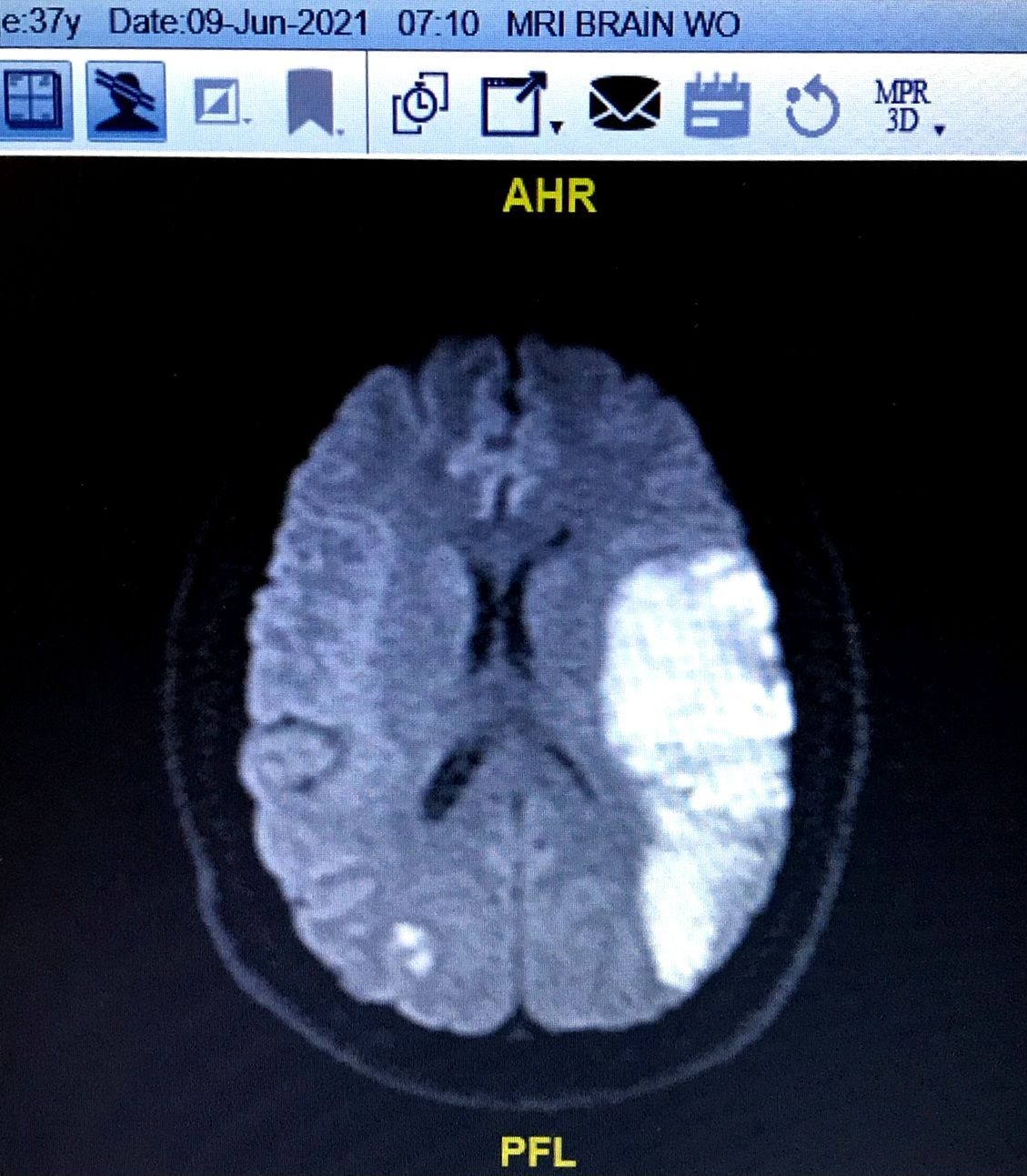
Global Aphasia is caused by injuries to multiple language-processing areas of the brain, including those known as Wernicke’s and Broca’s areas. These brain areas are particularly important for understanding spoken language, accessing vocabulary, using grammar, and producing words and sentences.
Global aphasia may often be seen immediately after the patient has suffered a stroke or a brain trauma. Symptoms may rapidly improve in the first few months after stroke if the damage has not been too extensive. However, with greater brain damage, severe and lasting disability may result. It is important to speak with your doctor about finding speech and language therapy as soon as possible after Global Aphasia has been diagnosed.
Me ———>
Aphasia is challenging; it makes understanding directions, ordering, and everyday activities very difficult. I am unable to speak or comprehend, and I struggle with spoken language, often resembling gibberish or a foreign language. I find it very hard to understand spoken directions, numbers, names, and activities. My ability to speak is limited to just a few sentences and around 75-100 words. I also have difficulties with reading, writing, and, of course, making phone calls. It often feels like a very isolated life due to aphasia
"Progress in speech therapy isn't measured in perfection, but in persistence"
"Aphasia is like trying to get around in a foreign country where you can't speak the language"

People with aphasia can make progess over their lifetime. Plan your work. Work your plan.