Apraxia
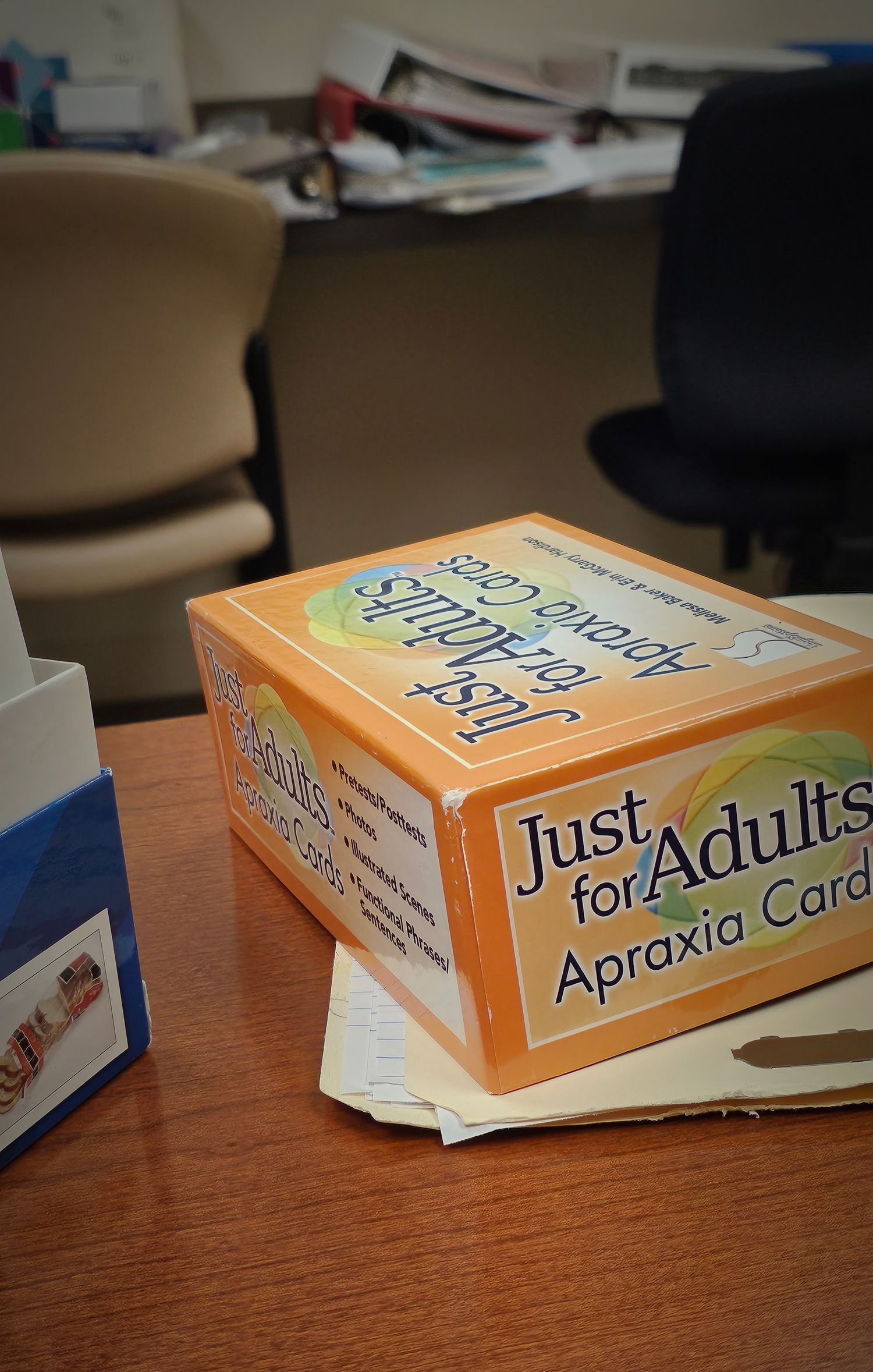
Apraxia of speech (AOS)—also known as acquired apraxia of speech, verbal apraxia, or childhood apraxia of speech (CAS) when diagnosed in children—is a speech sound disorder. Someone with AOS has trouble saying what he or she wants to say correctly and consistently. AOS is a neurological disorder that affects the brain pathways involved in planning the sequence of movements involved in producing speech. The brain knows what it wants to say, but cannot properly plan and sequence the required speech sound movements.
AOS is not caused by weakness or paralysis of the speech muscles (the muscles of the jaw, tongue, or lips). Weakness or paralysis of the speech muscles results in a separate speech disorder, known as dysarthria. Some people have both dysarthria and AOS, which can make diagnosis of the two conditions more difficult.
The severity of AOS varies from person to person. It can be so mild that it causes trouble with only a few speech sounds or with pronunciation of words that have many syllables. In the most severe cases, someone with AOS might not be able to communicate effectively by speaking, and may need the help of alternative communication methods.
Me——> Severe Apraxia
"Communication isn't about being perfect—it's about being authentically you"
"Your determination to communicate is more powerful than any obstacle in your way"
"Your voice, just as it is, is worthy of being heard"

"Start thinking wellness, not illness"